

Accidents at the Swiss

Whilst the Swiss Gardens pleasure grounds were, for 70 years, the destination for fun and frivolity it had an unenviable record of hazard and danger.

1838 – not long after opening a drowning occurred of 15 year old William Booker. He was employed at the Swiss in maintenance duties. One of his responsibilities was to pump out water from the ‘floating temple’ tethered in the East Lake. On the morning of Monday 16th July 1838 he was discovered by staff drowned in the lake.

Continue reading “Accidents at the Swiss”

The clues to the past: Swiss Gardens

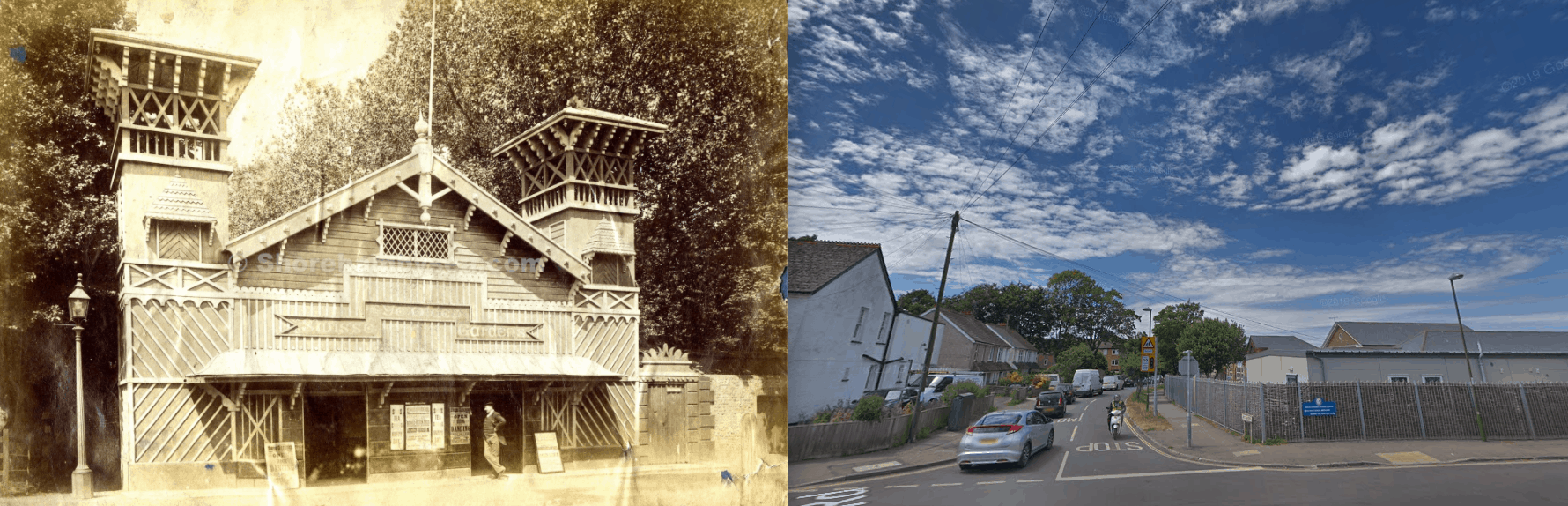
The original Swiss entrance in 1900 and the same position in 2020 © SAS Marlipins Collection and Google Images

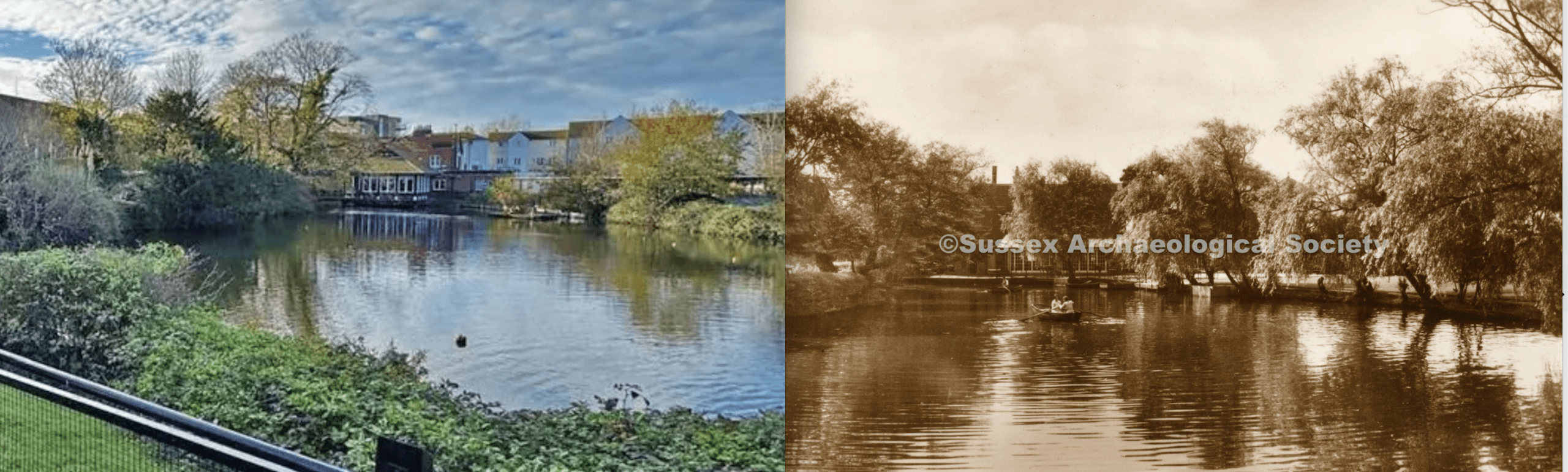
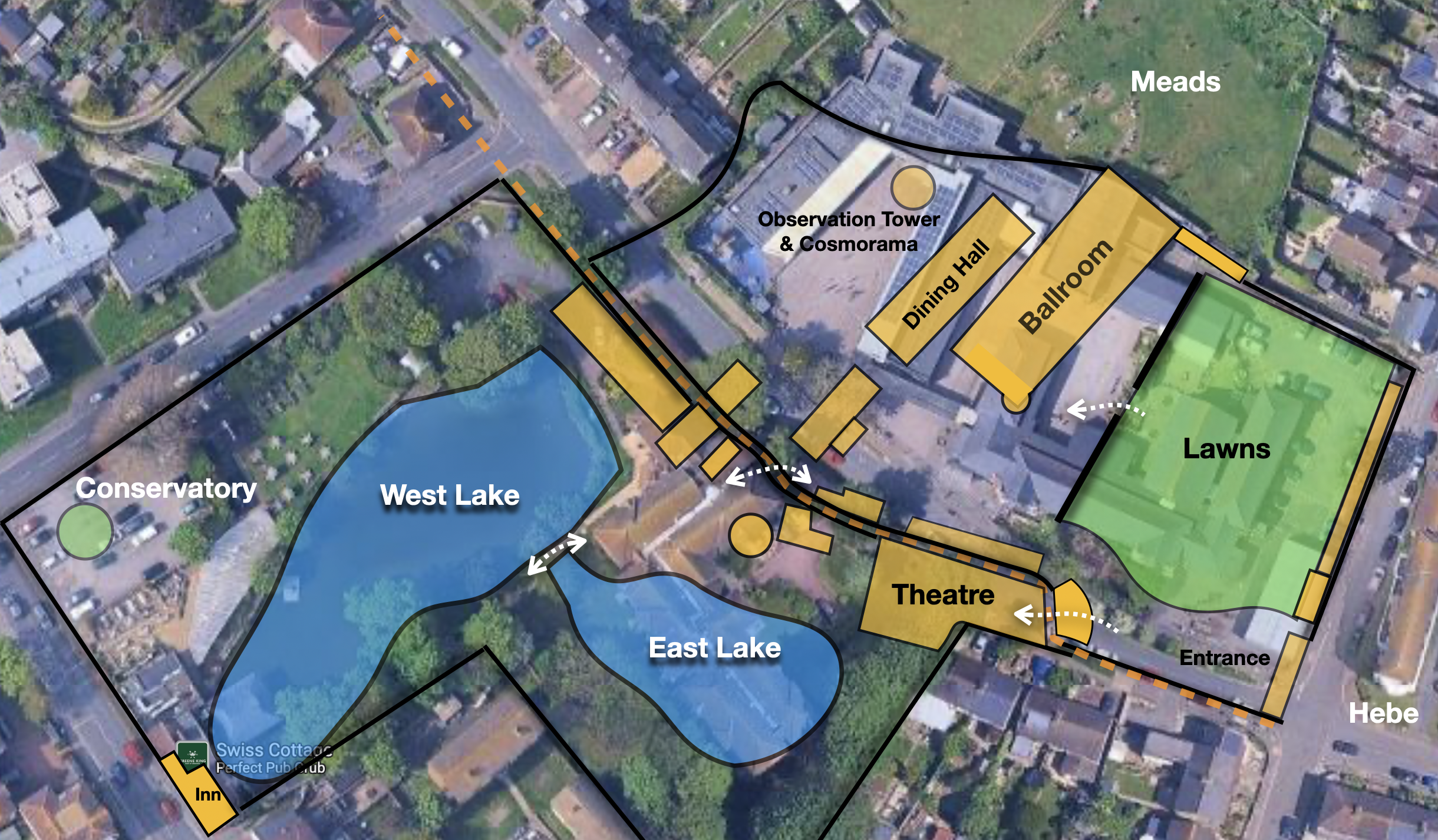
If you look closely there are a few clues to the former use of the Swiss Gardens School site – the Swiss Gardens pleasure garden (1838 – 1910). The Lake is the most obvious, to the South of Swiss Gardens road in the grounds of the Swiss Cottage pub. Hidden in the gardens of Homehaven Court is the remaining wall of the grand theatre.

1900 / 2024 The Infant school hall occupied the site of the Swiss Ballroom © Google Images
Continue reading “The clues to the past: Swiss Gardens”

Mystery Mystery Towers painting

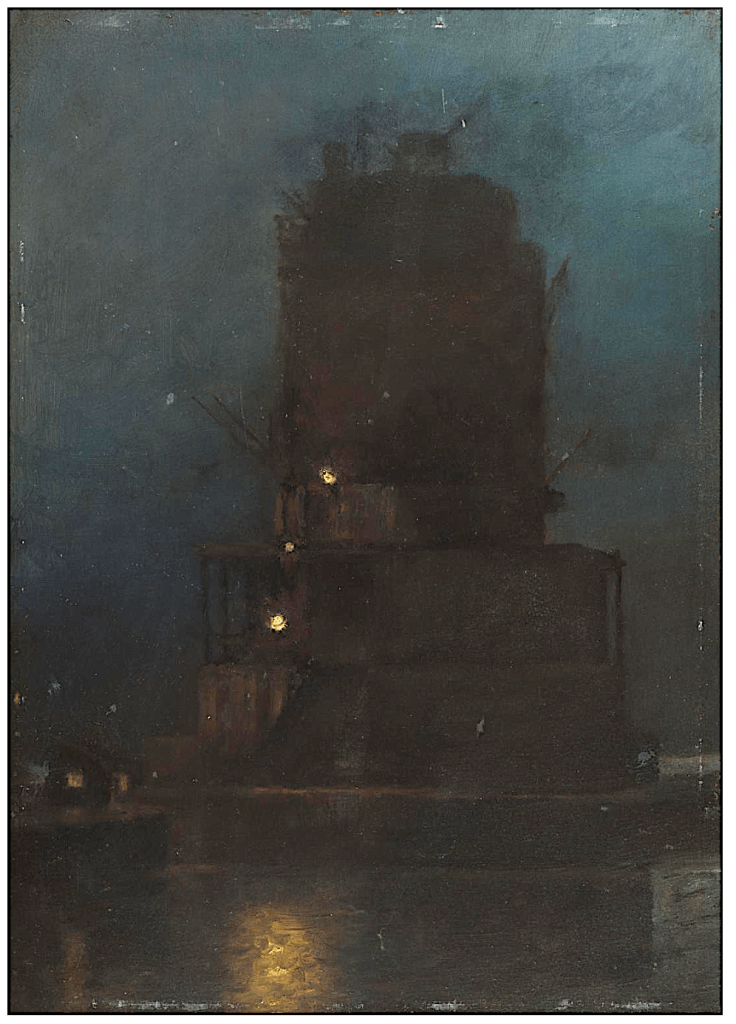
‘The Mystery Tower’ Ida Lees 1903 @Tate https://www.tate.org.uk/art/artists/ida-lees-33174

An enquiry from the Tate Gallery recently raised the question of when the above painting was painted. The Tate believed it was 1903. However if the image is enhanced it does reveal some significant details to identify the date. I’d suggest the artist was positioned at Turberville Wharf looking SW to the tower. The area at the far left of the painting is the base of tower 2, with sheds on its base – hence the light in windows (see photo below from similar position). There are also working lights on the tower – suggesting the towers were still occupied but near completed – note there are no signs of the large cranes on the land. 

Continue reading “Mystery Mystery Towers painting”

The Buckingham Houses – a Pictorial History

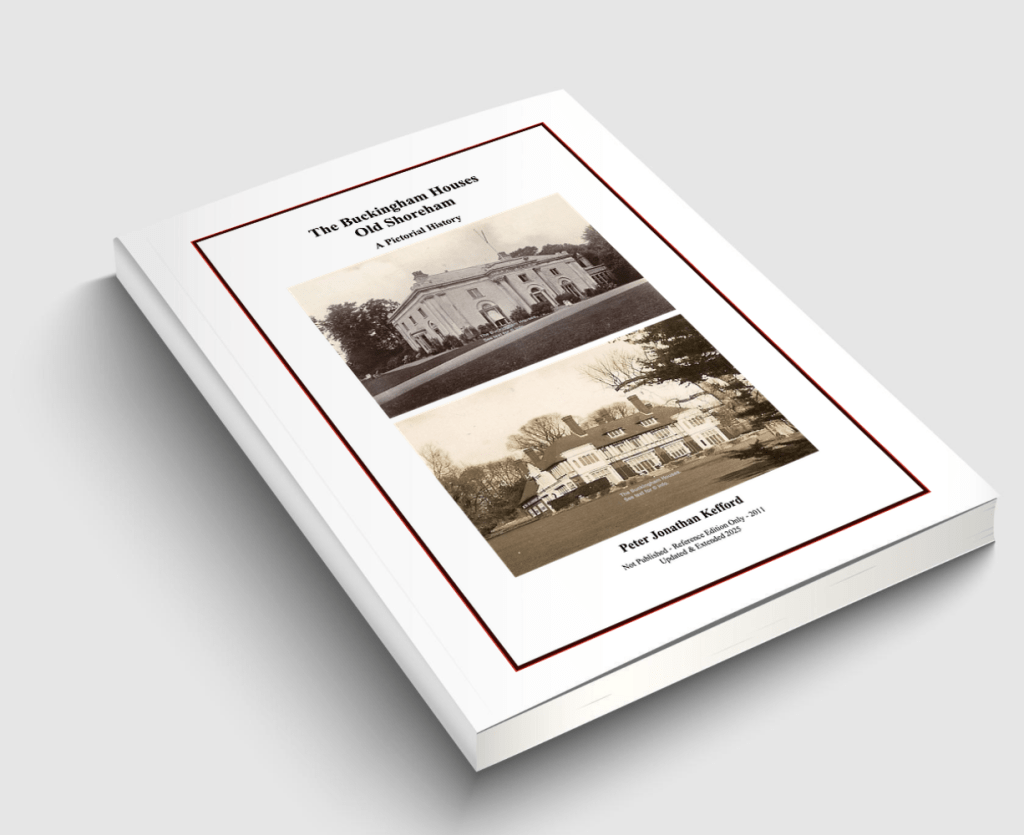
The new edition.

The Buckingham Houses – a Pictorial History, was written in 2011 by local historian Peter Kefford. Peter was meticulous in his research and has illustrated it throughout. Peter revised and added to his book in 2025 and has now kindly allowed it to be published online for the first time – here on Shorehambysea.com. Click the button to open a PDF of the book.

The book’s publication is timely as it coincides with the discovery of the significant family scrapbook known as The Buckingham Book” This scrapbook of photographs and ephemera was created by the Head family who lived at Buckingham House (1889-1905). Scans of the scrapbook have been given to shorehambysea.com to publish for the first time.

Peter Kefford would like to hear from you if you can fill in the few gaps about the histories of the Buckingham Houses, or have photographs particularly of The Retreat and the ‘new” Buckingham House. Contact here: buckingham.house (at) ntlworld.com. Just replace the (at) with @.

October 2025

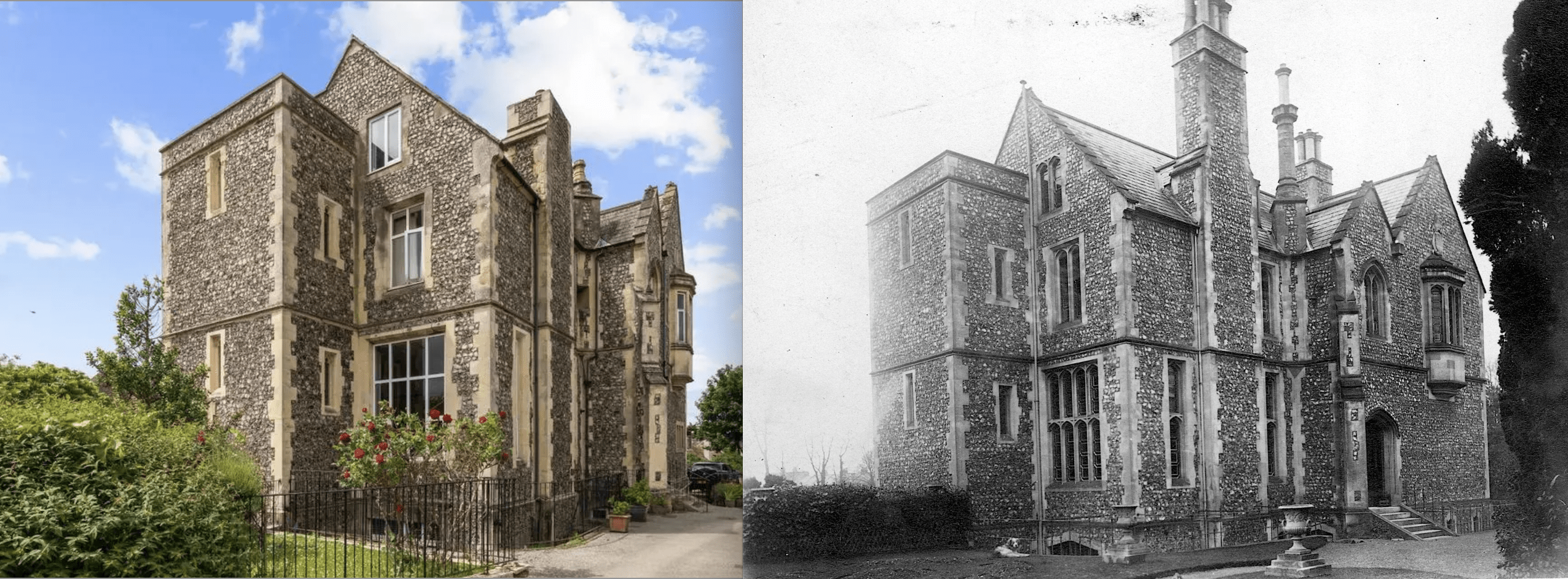
Shoreham Court – now and then

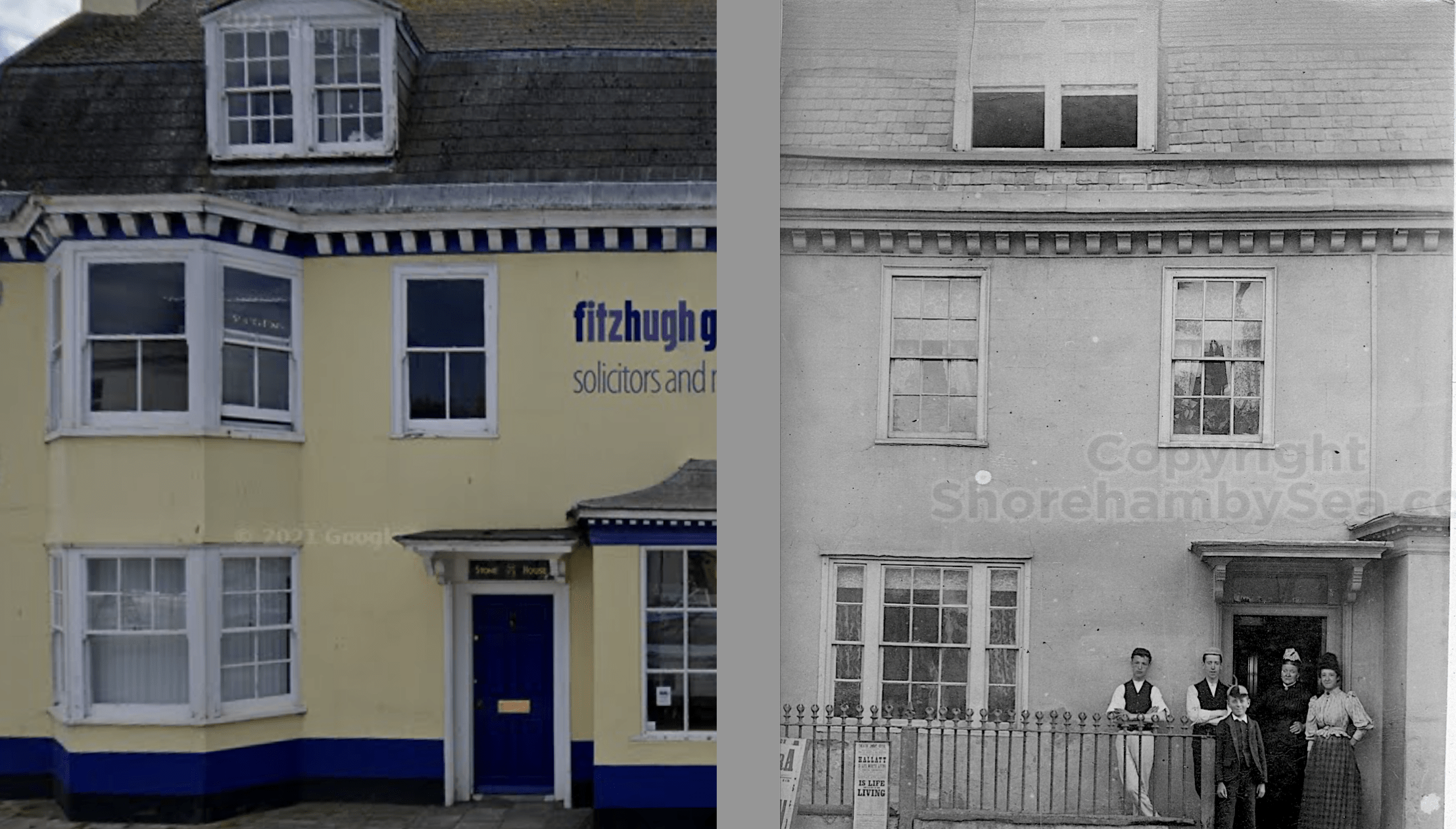
The rediscovery of the fabulous Buckingham Book has presented some superb views of well known Shoreham. This comparison of Shoreham Court between 2025 and 1880 shows the building has weathered the 145 years quite well.

2025 and 1880 (©NDV Buckingham Book Collection)
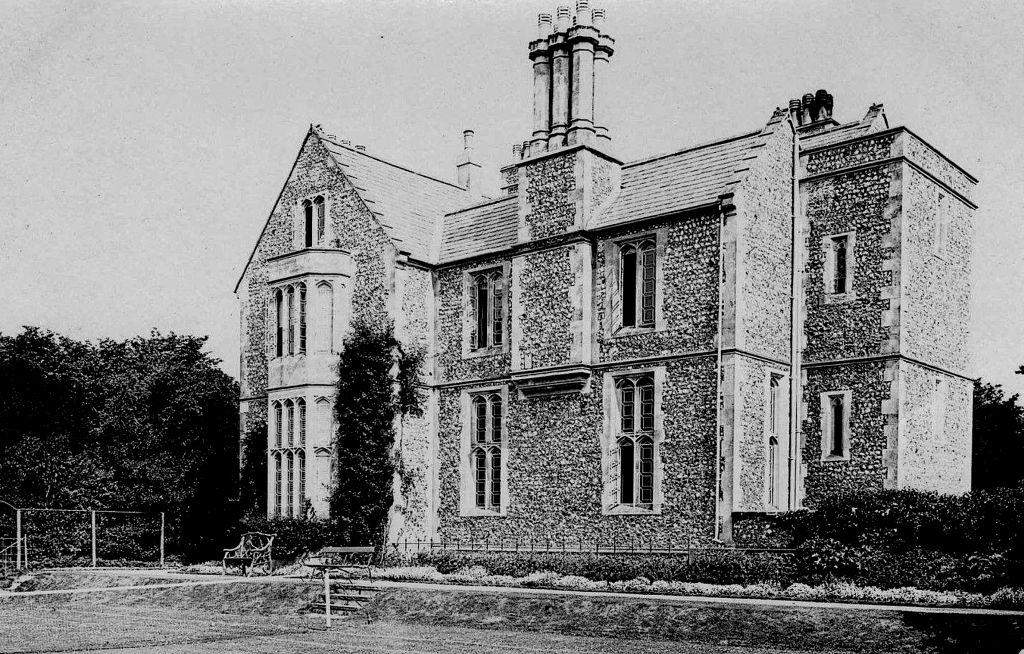
South elevation . Date unknown

3rd Shoreham Scouts

A Brief History

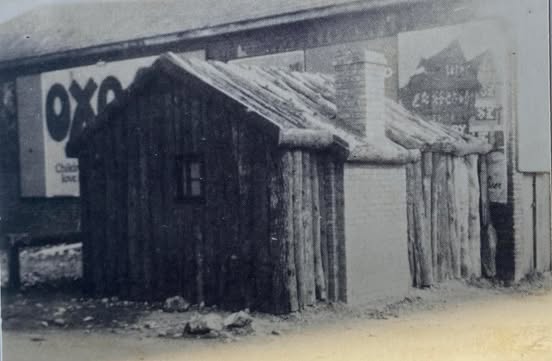
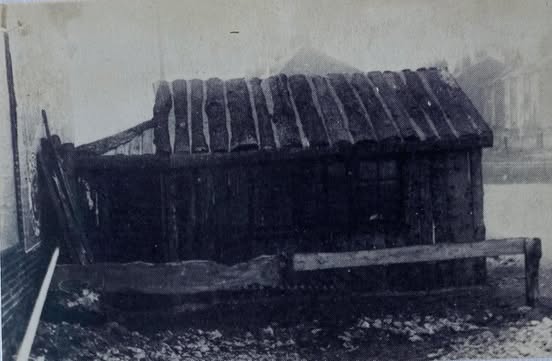
The 3rd Shoreham Sea Scout Group was formed in 1919 by William L T Roberts a Cornish seaman who settled in the town at the termination of the First World War. In 1923 he joined the Metropolitan Police, later transferring to the Thames River police. The first recorded Group Scout Leader was Captain C T Keigwin, R.D, R.N.R, F.R.G.S, also a Cornishman, appointed in 1929.

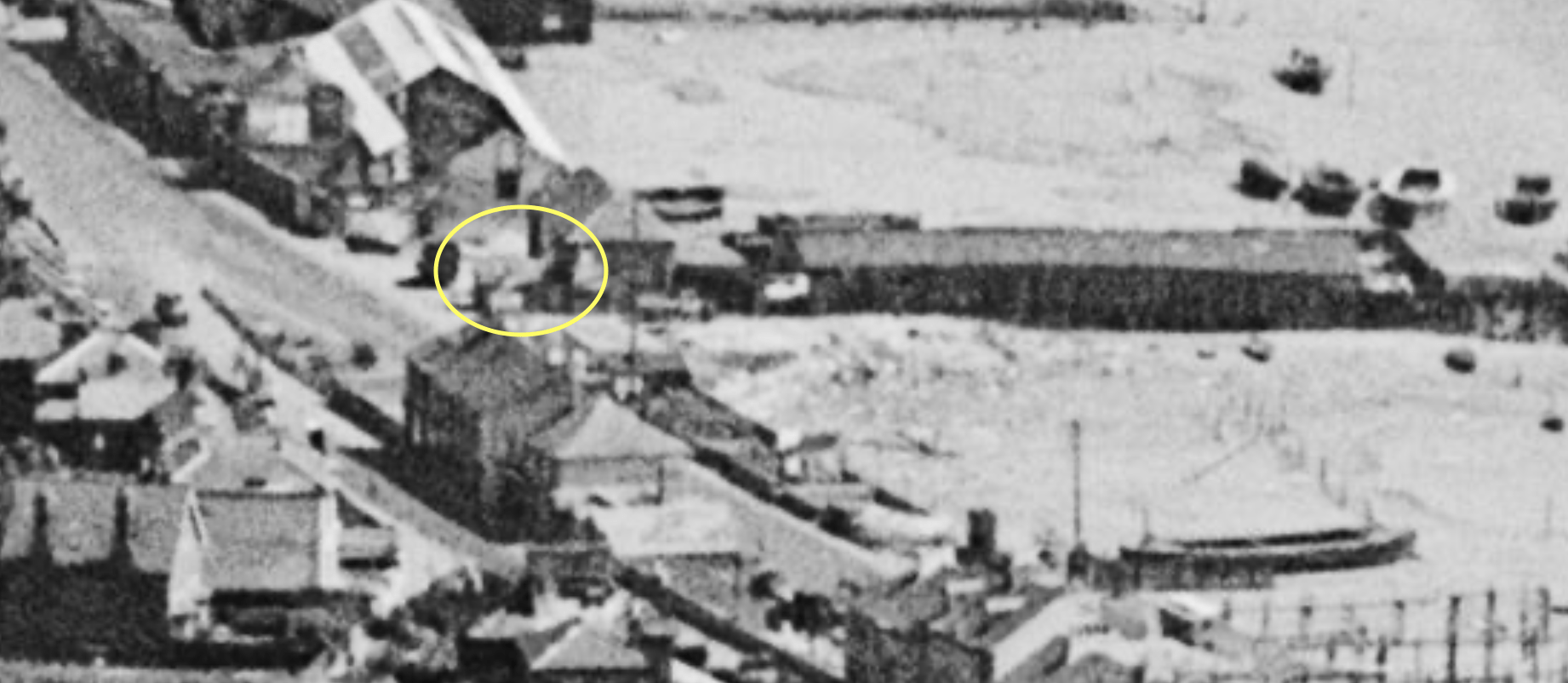
In 1919 the Sea Scouts occupied a small shack situated on the Surry Hard. The shack was originally used by 1st Shoreham Scouts from 1911. During the First World War the number of Scouts dropped and by 1918 the 1st Shoreham Group fell into abeyance. 3rd Shoreham Group took over the building from 1919.

Surry Hard 1932 https://www.britainfromabove.org.uk/en/image/EPW039497

It was in 1939 that the Group adopted the title ‘Sea Scout Ship Terra Nova’ after R.F. Scott’s Terra Nova Expedition, officially known as the British Antarctic Expedition 1910-1913

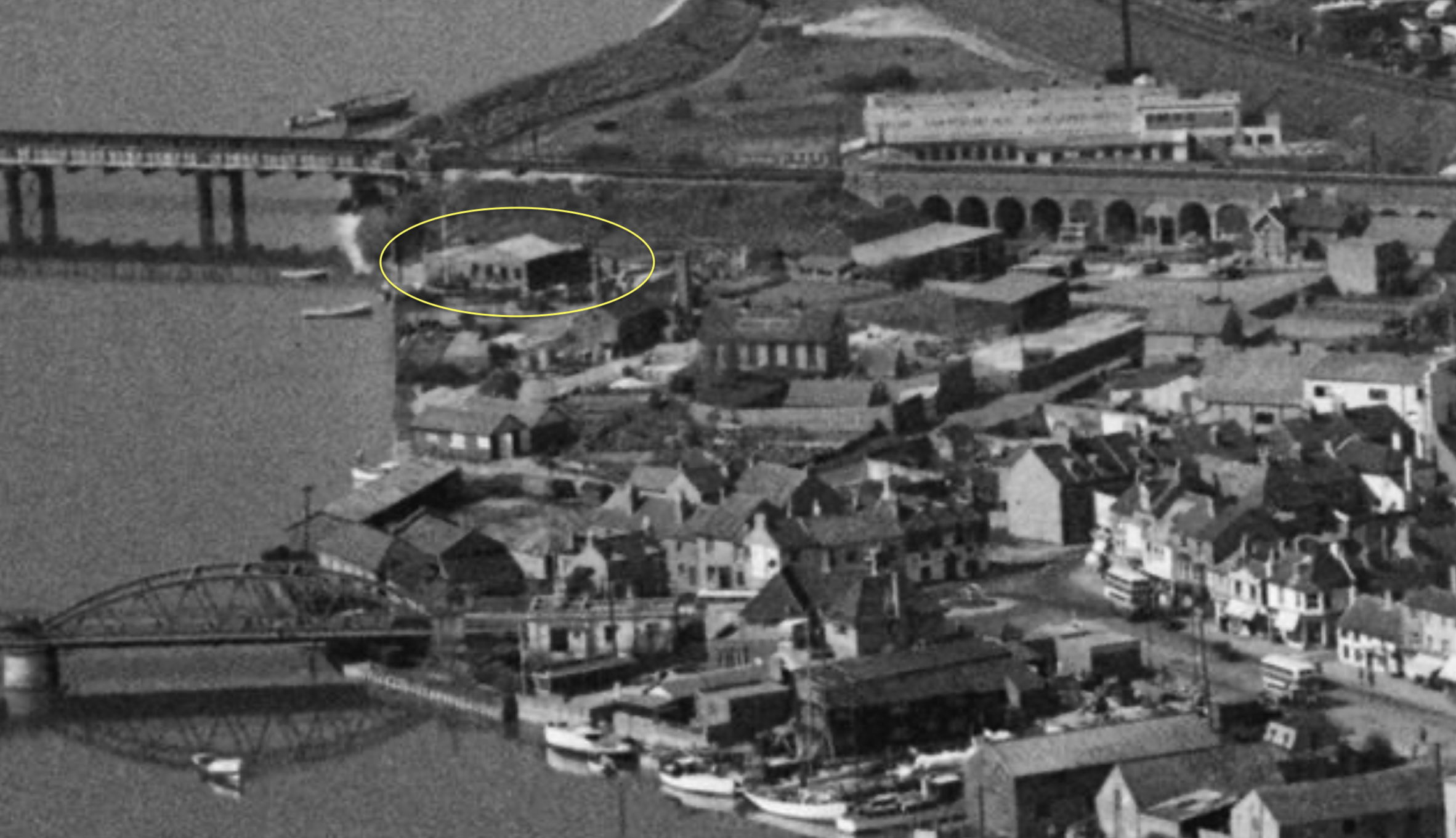
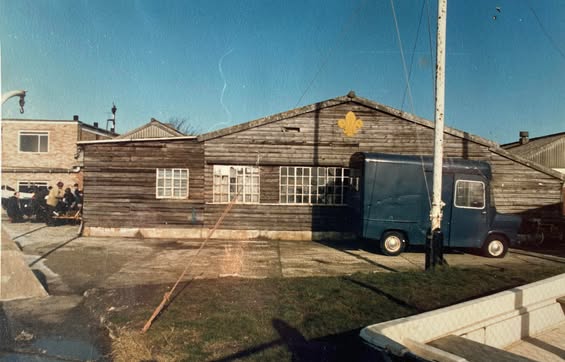
In 1939 a new HQ was built from a second hand aircraft designers’ building acquired from the now famous F G Miles the British aircraft designer and manufacturer. This was sited in the Shoreham Urban District Council works yard in Ropetackle.

The Ropetackle hut 1939-1980. Note the davit on the left which swung over river wall and the rail viaduct signalling in background.
Continue reading “3rd Shoreham Scouts”

Who is who?

The recent re-discovery of the Buckingham Book and the uncaptioned contents has raised many questions about who in the Head family is in the photographs. With over 130 years elapsed since many of the photos were taken and the last of the subjects having passed away by the 1980’s there maybe only a few people who will have met any of them to identify them specifically. A few named photographs exist as references – notably Sir Henry Head, Hester Pinney and Christopher Head. But who are the others?

As you browse the scrapbook and scrutinise the faces do you see similarities that will help identify individuals? Most of the photographs are undated so it is useful to see Bernard Head in many group photos as we know he was born in 1876.

Mystery photograph 1:

Henry Head (far right), eldest son, seems to appear only once in the Buckingham Book in a family group photograph which I assume is mother and brothers. Bernard at the back, but is that Francis (with the camera on the left)? And if Hester Head is in mourning then that would date this image within a year of Hugh’s death in November 1890. That would make Bernard 15 years old and Francis 22.
Continue reading “Who is who?”

The Dungeons of Shoreham

In 1857 there was a bit of to-do about the state of the Dungeons – a narrow high-walled alleyway between Victoria Road and what later became Connaught Avenue. It was the most direct pedestrian twitten (betwixt and between) between New Shoreham and Old Shoreham. It was dark, very boggy and in places was covered over by buildings straddling the alley making it a menacing place and earning the nickname “The Dungeons”. The alley bisected the Swiss Gardens site so had particularly tall sides for the entire length to prevent illegal access to the pleasure gardens on either side. For those patrons inside the Swiss Gardens there were wooden footbridges that bridged the alleyway.

The Dungeons looking East from under the Theatre c1910

The 1857 newspaper report: “We have carefully inspected the footway under the Swiss Gardens, and are of opinion that more head-room is required in that part of the passage immediately under the Swiss Cottage, that the height from the ground should not be less than 6ft. 6.; that the passage should be made a little wider under the cosmormamic views; that the pathway should be levelled and made clean; and the water drained off on the right side, from east to west; that the water-spout should be prevented from dripping in the passage; and that sufficient light be admitted for passengers to discern where they tread, -all of which suggestions Mr. Goodchild has engaged to carry out, under the inspection and to the satisfaction of the Surveyors.”

1914 map showing the alleyway and dungeons (marked in orange) passing under the Swiss Gardens Theatre and footbridge.
Continue reading “The Dungeons of Shoreham”