
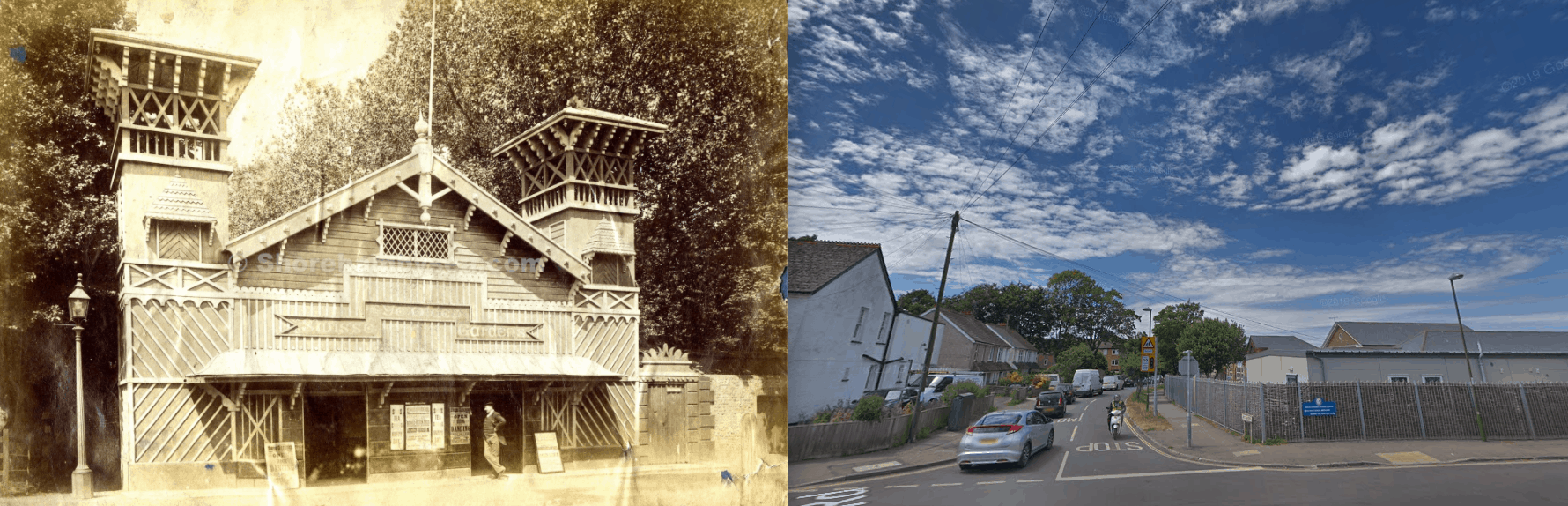
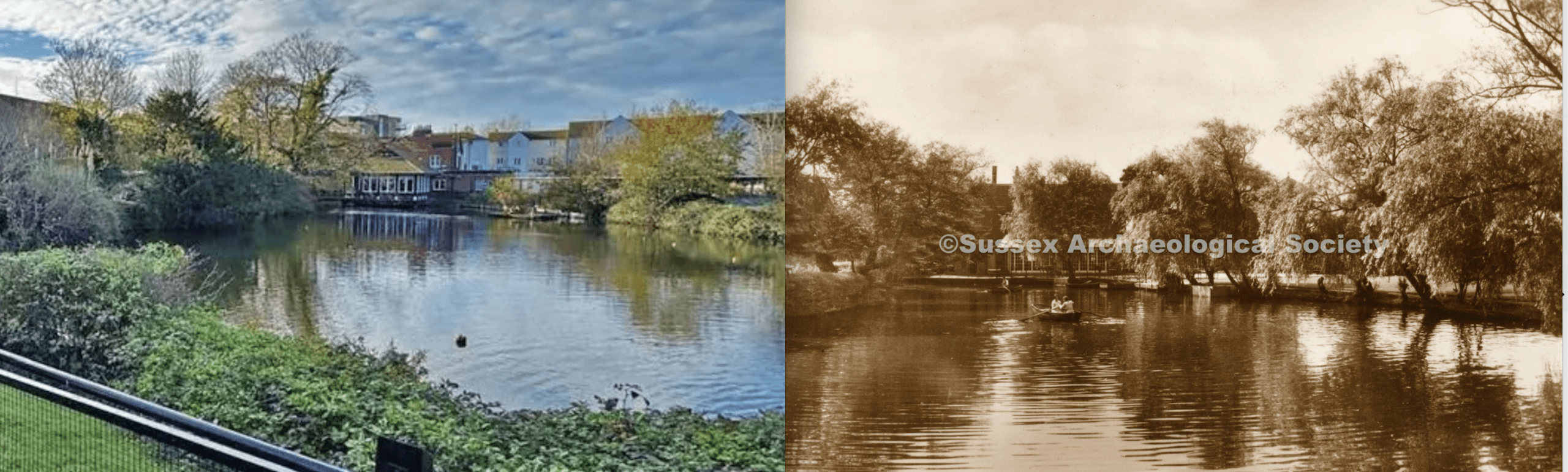
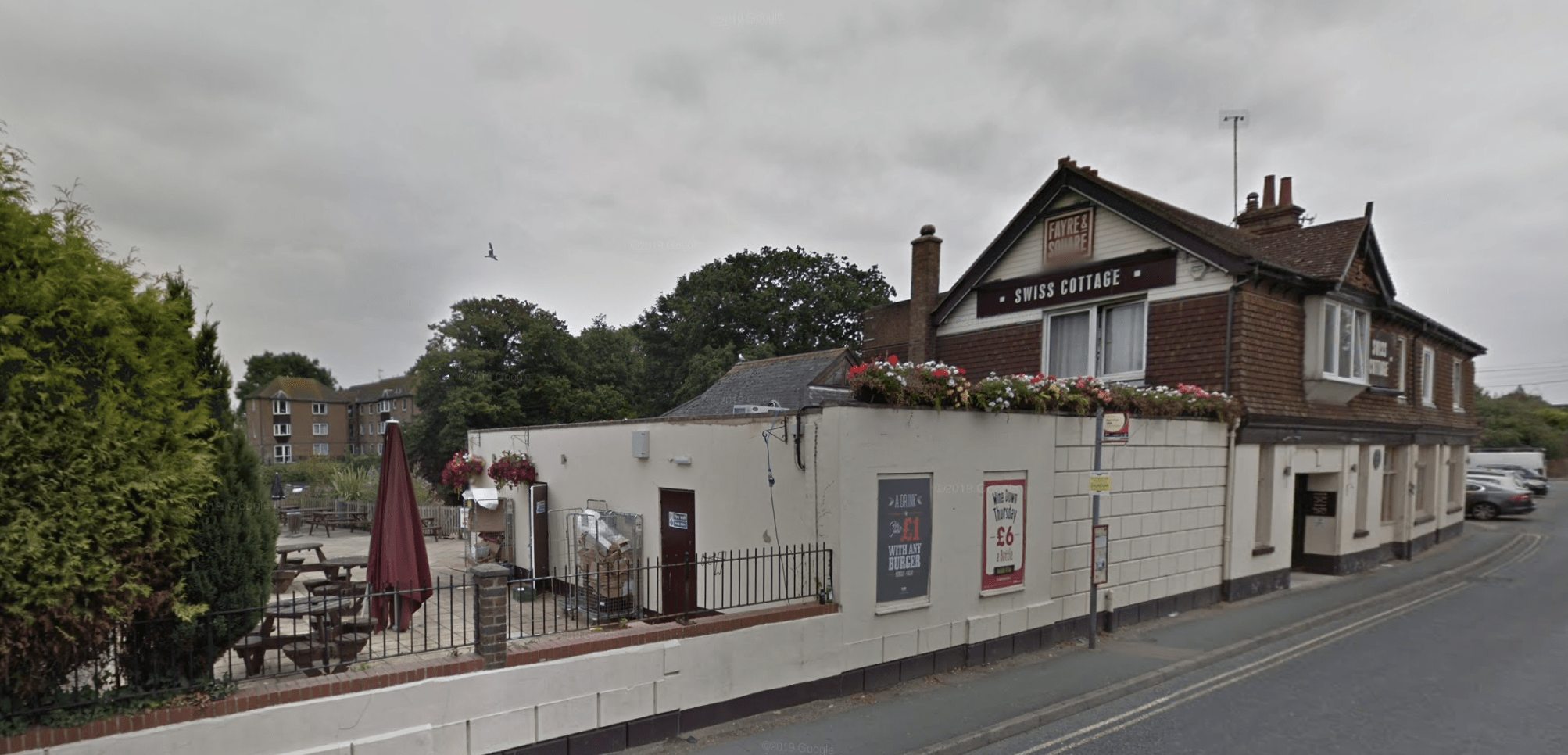
If you look closely there are a few clues to the former use of the Swiss Gardens School site – the Swiss Gardens pleasure garden (1838 – 1910). The Lake is the most obvious, to the South of Swiss Gardens road in the grounds of the Swiss Cottage pub. Hidden in the gardens of Homehaven Court is the remaining wall of the grand theatre.
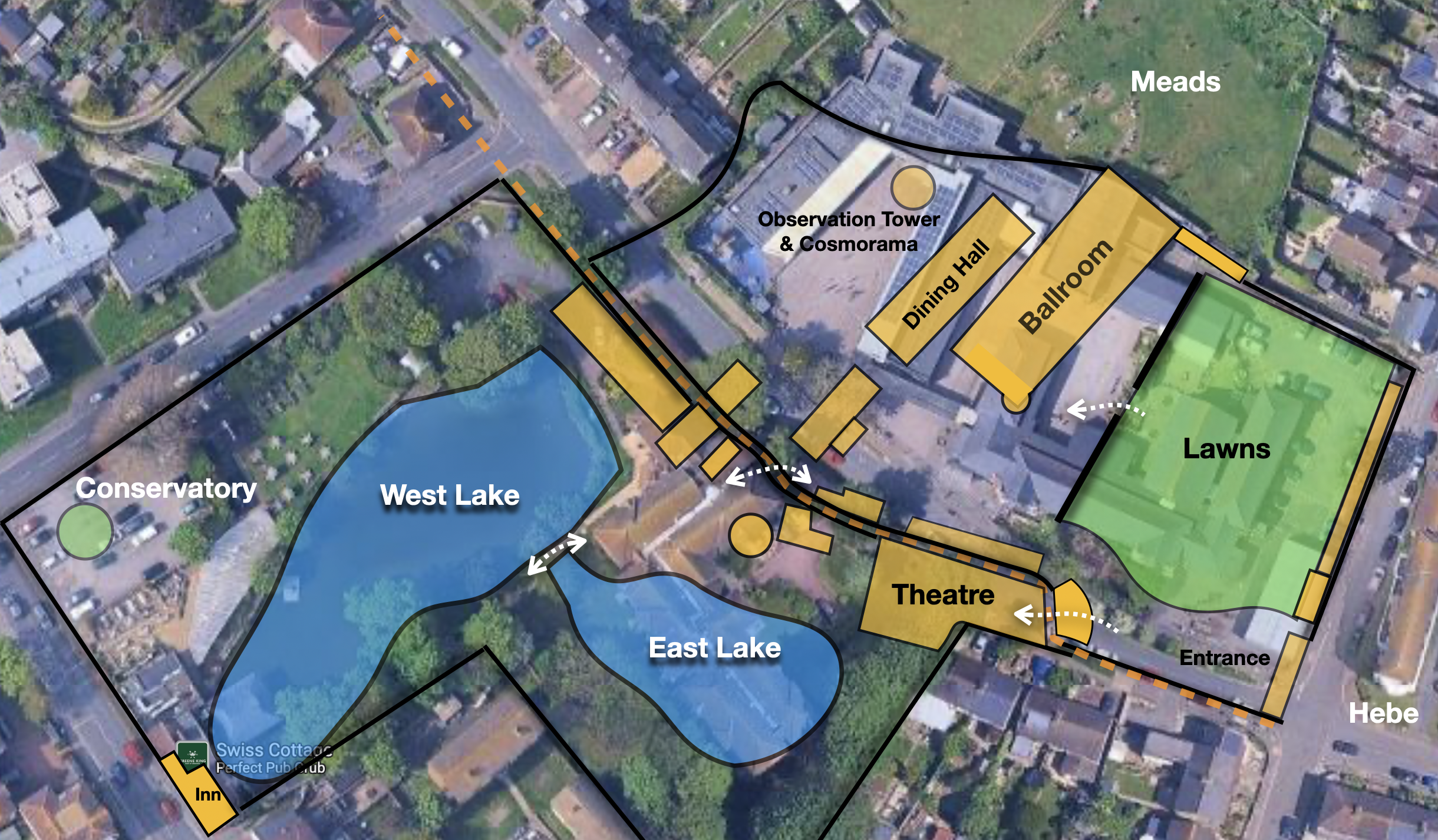
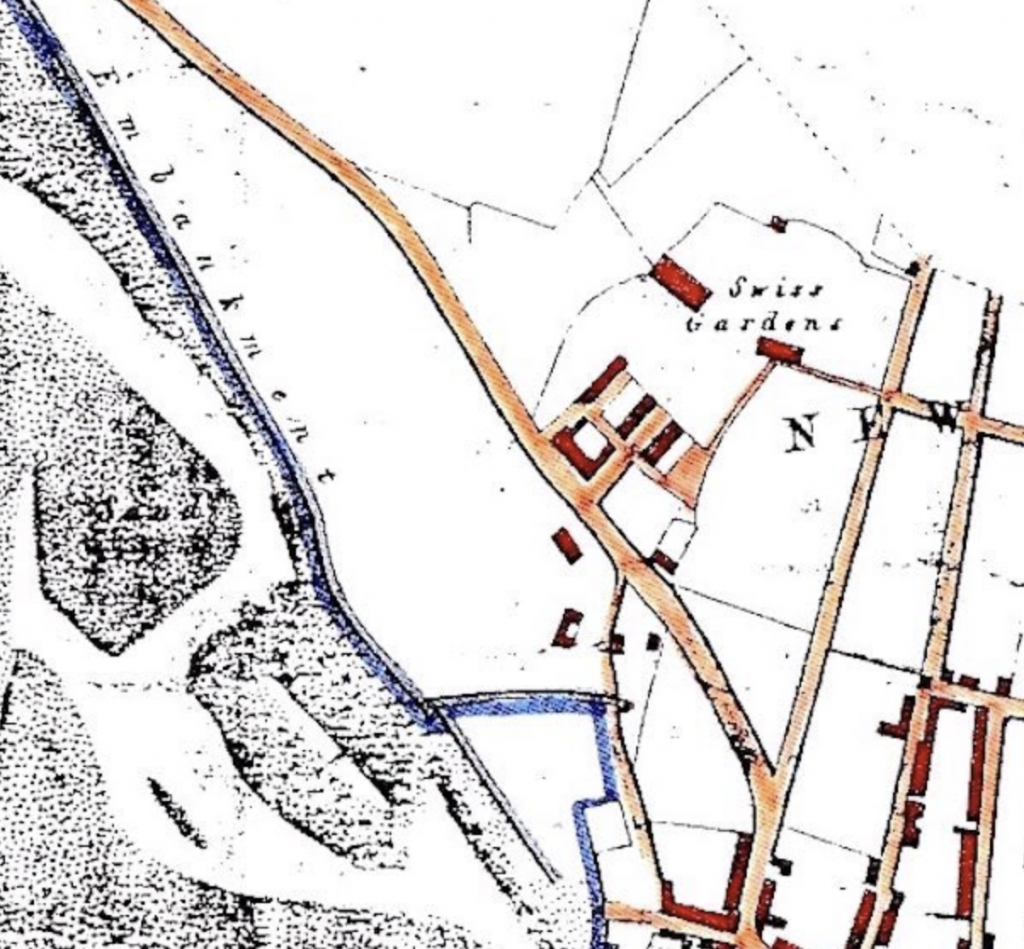
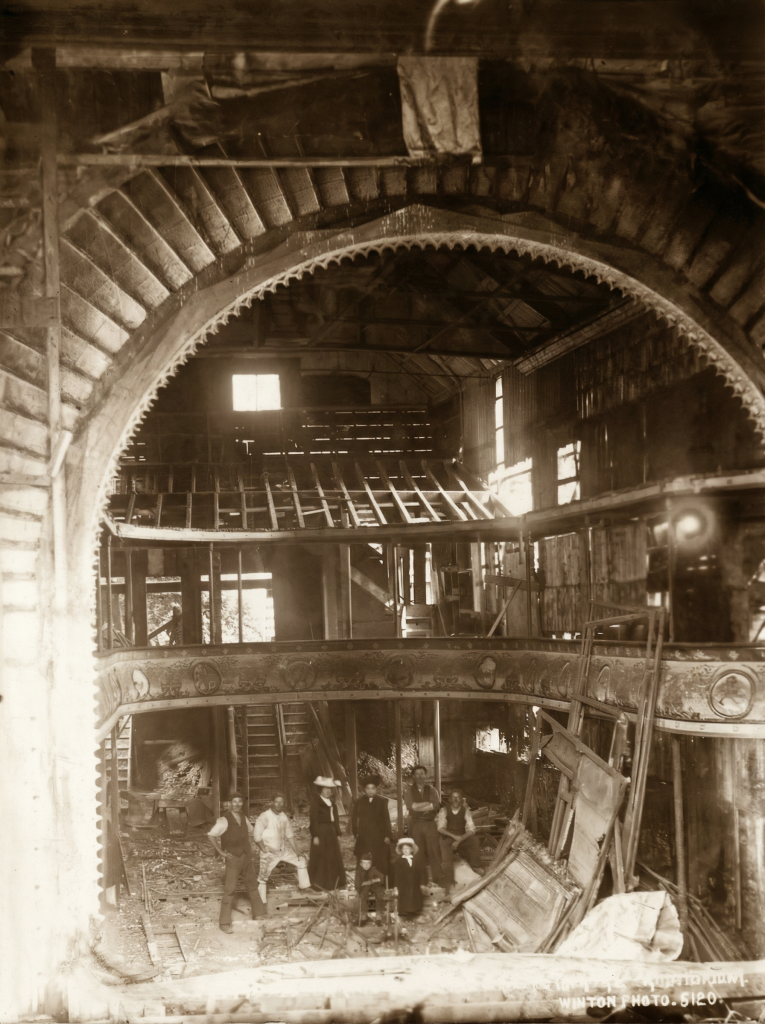
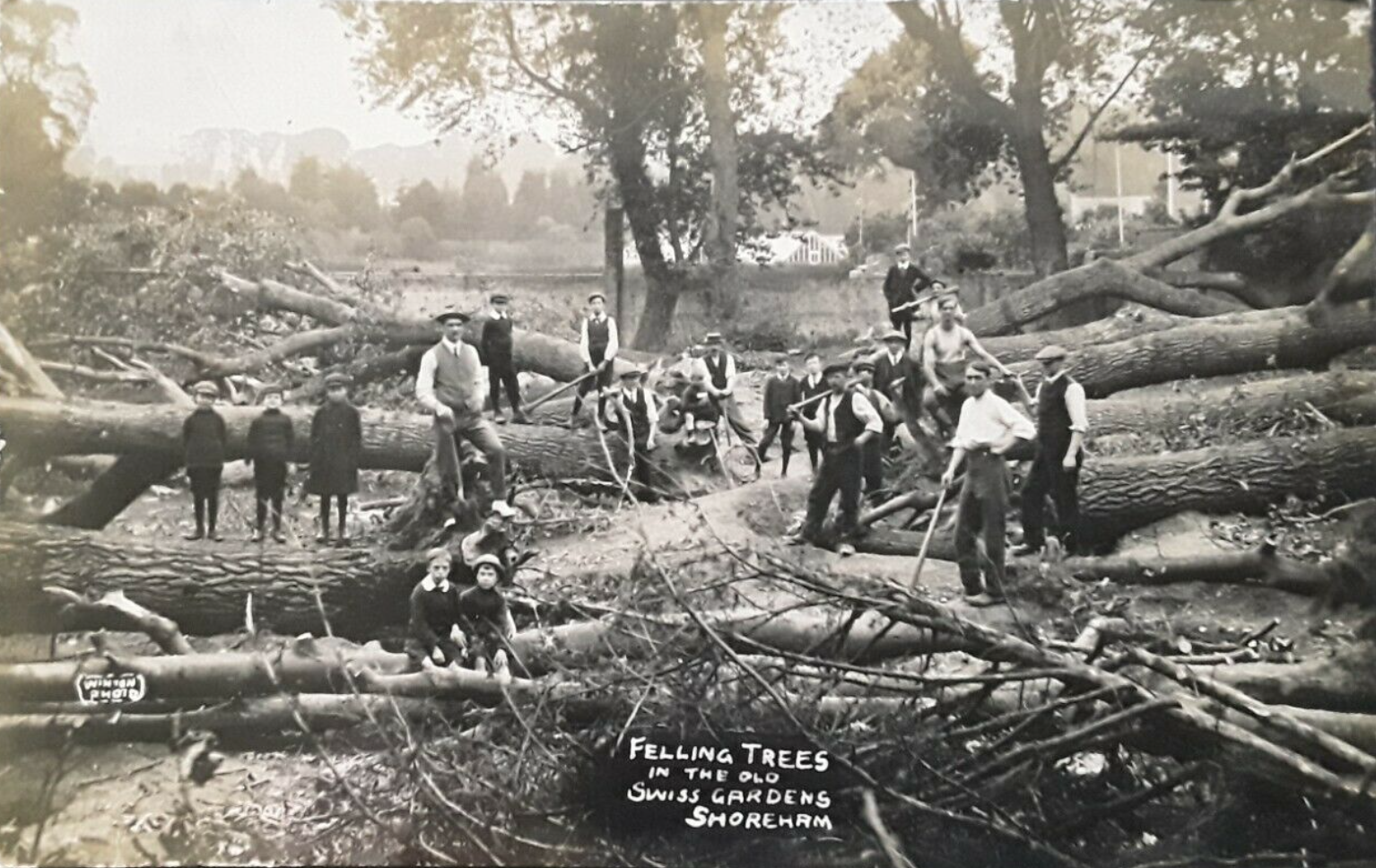
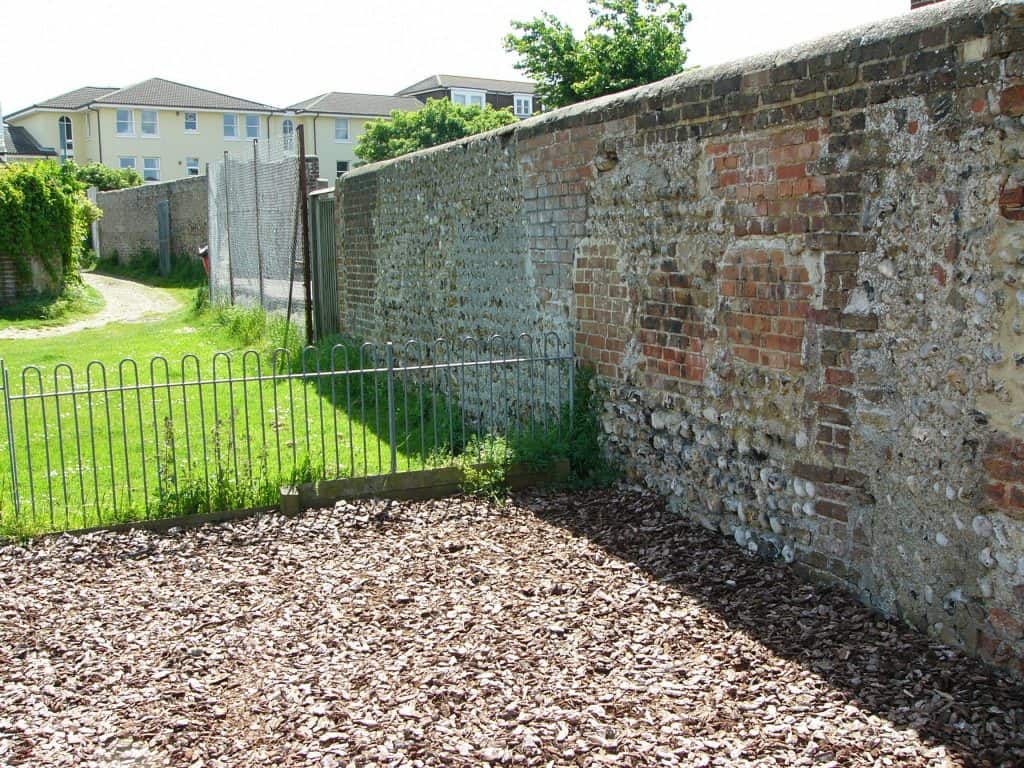
The tall boundary wall to the North between the school and the Meads, looks to be the original wall of 1838. This had an undulating top and a kink in its alignment (until part of it was pushed down in the 1990’s) . If you refer to the the poster illustration of 1875 it suggests this 12 – 15 foot wall was the back wall to a theatre-style open stage (to the right in the poster below). There were cart sheds / stables that are evident in early photos of the school. The cart shed in the Meads lasted until the 1990’s and whilst the boundary wall has been repaired many times it is possibly that is the only visible 1830’s structure left.
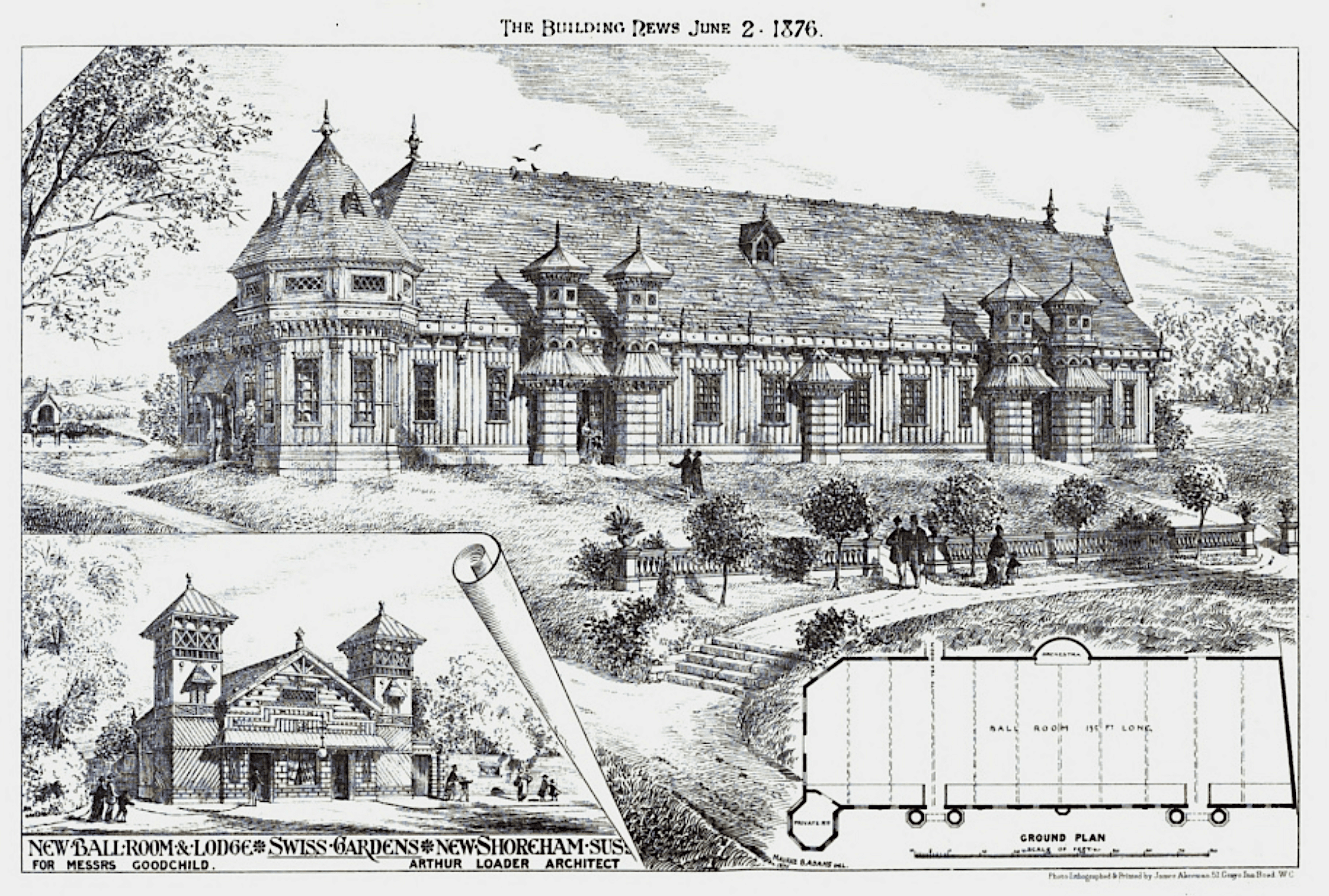
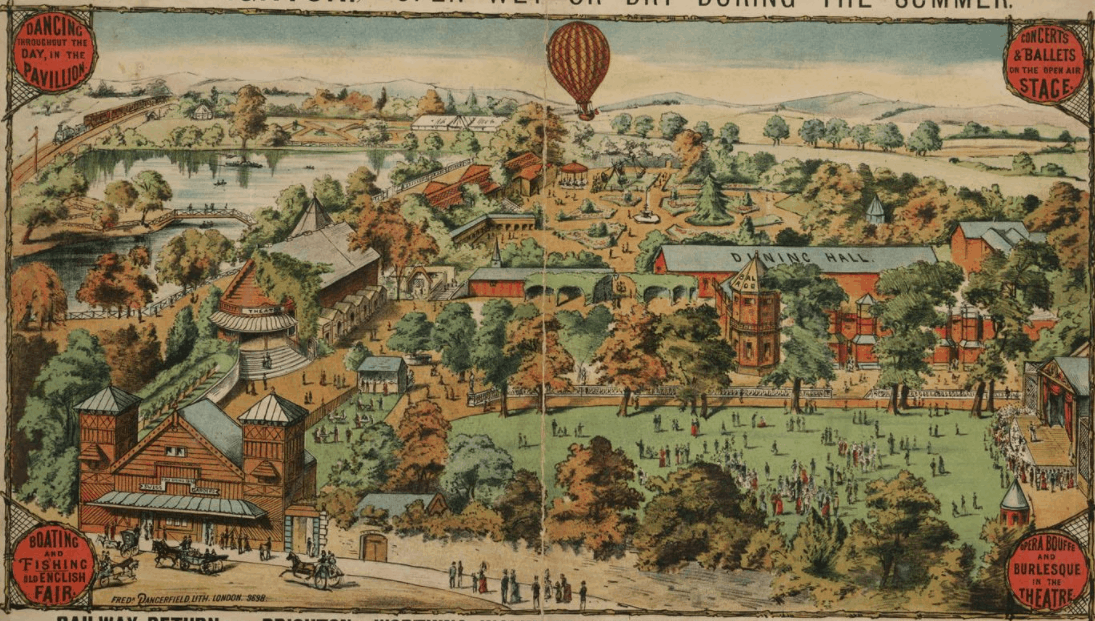
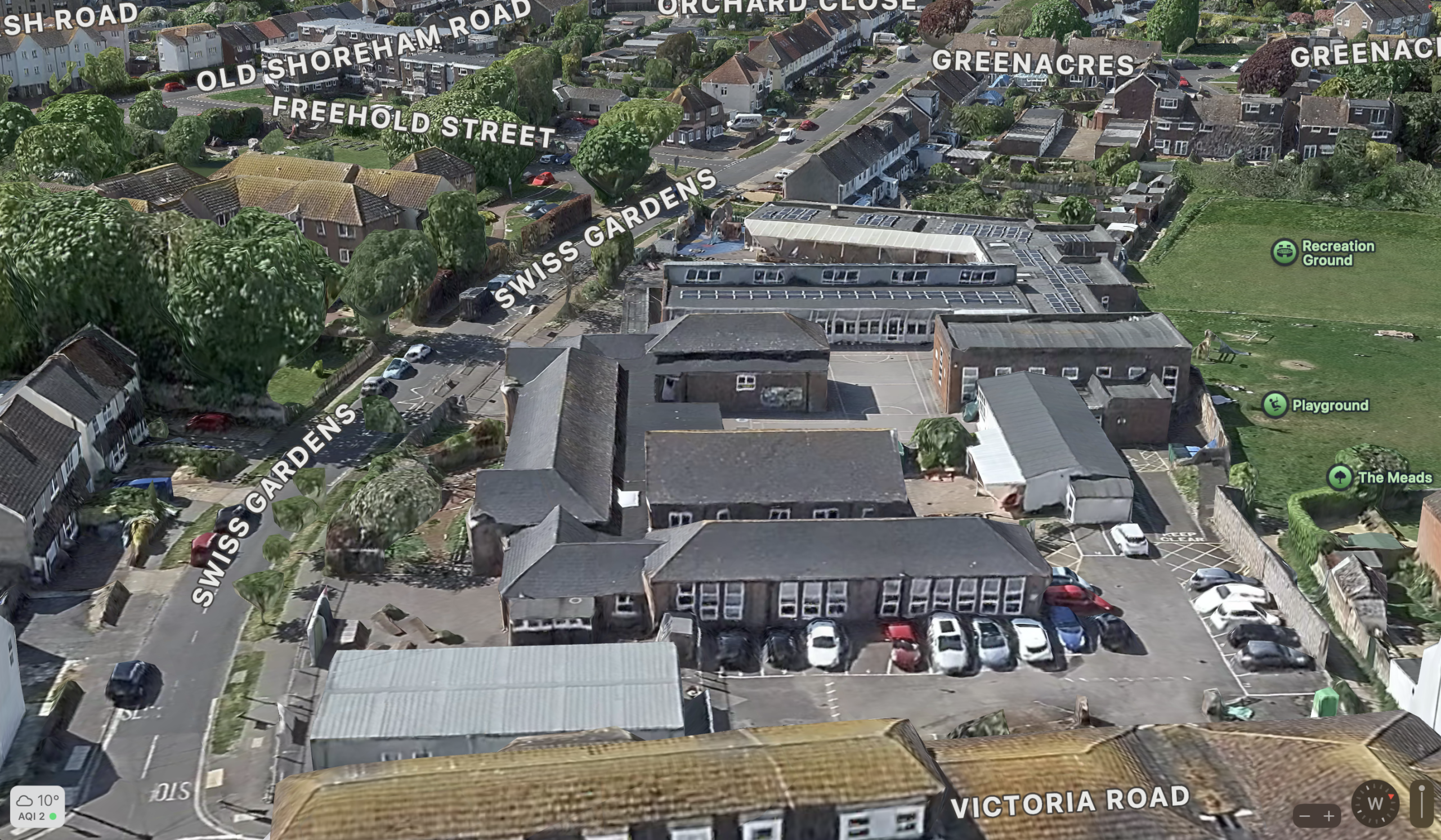
By the early 1900’s the site had been abandoned by the proprietor of the Swiss Gardens and local children explored the wild overgrown site. The derelict gardens lent themselves to painting and was inspiration for local artists. By 1915 the site was cleared and the new school replaced the wilderness.
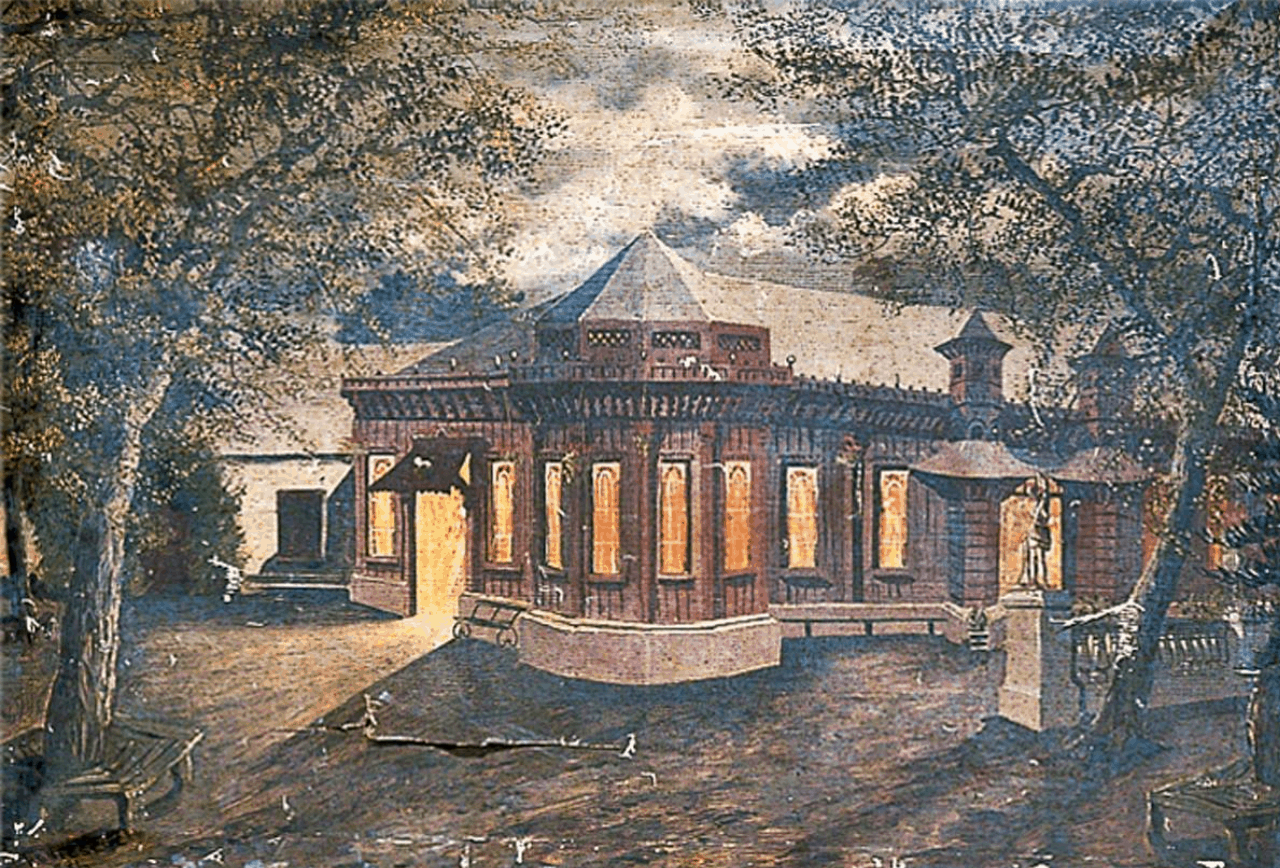
William Banks Fortescue (1850–1924)
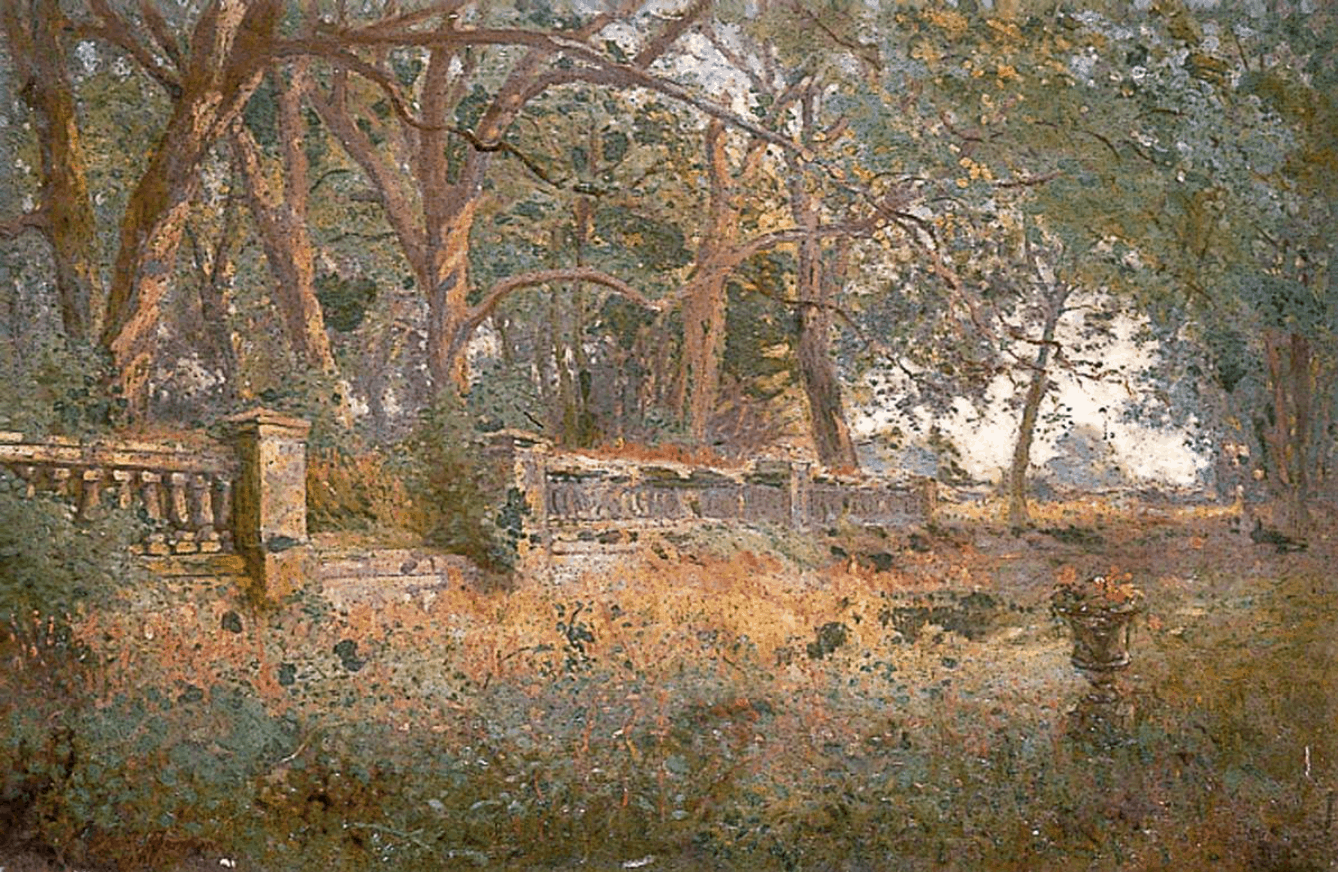
Brook Harrison (1860–1930)
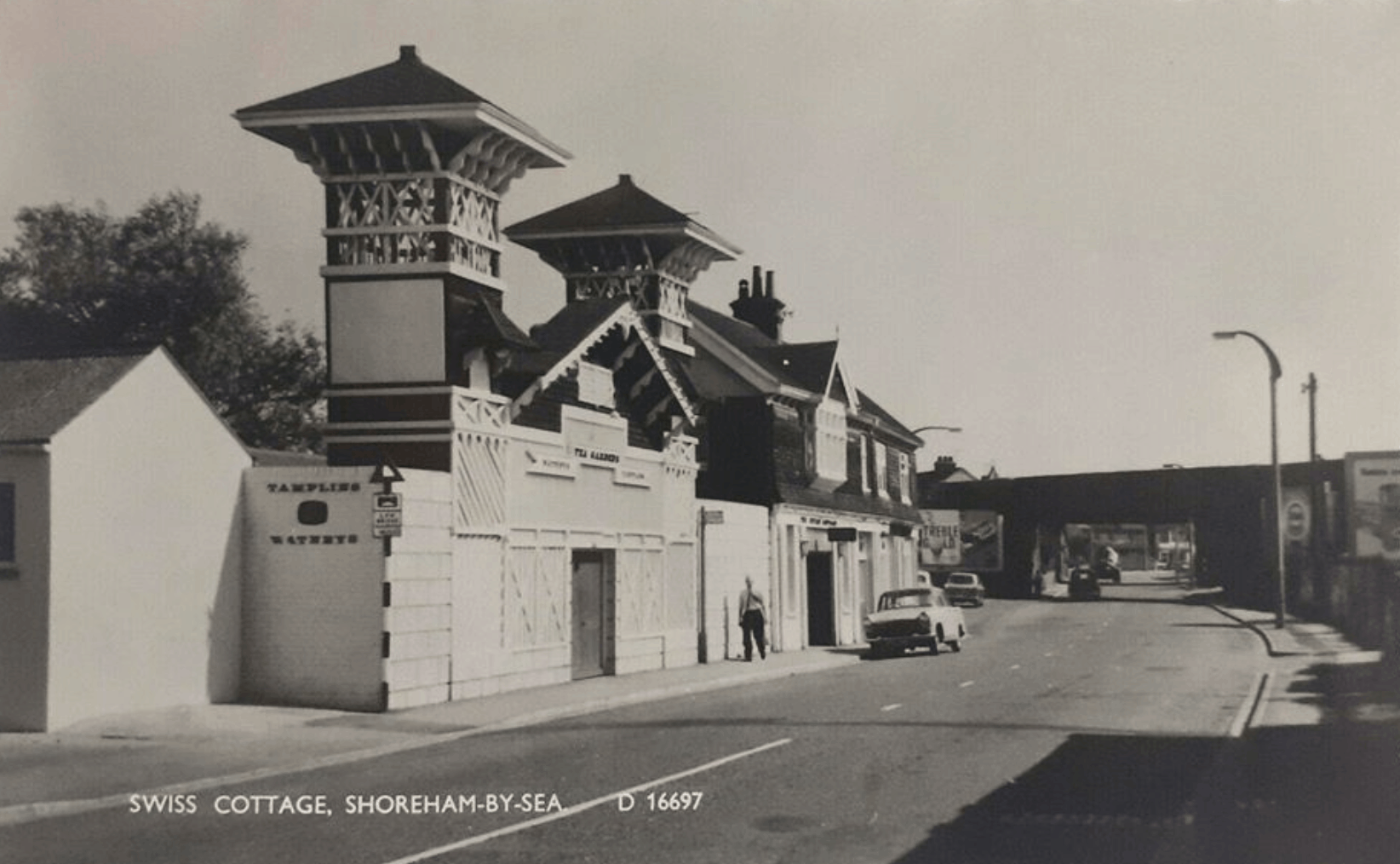
A mystery persists: the grand wooden entrance lodge, built by Balley’s shipbuilding craftsmen in the distinctive Swiss chalet style, lasted from 1835 until closure and removal in 1913. Was it demolished or dismantled? 15 years later the Swiss Cottage pub re-opened and with it arrived a new Swiss entrance lodge on the Old Shoreham Road frontage. The design was identical to the Victoria Road lodge – was it re-assembled from storage or was it newly constructed from the 100 year old plans? The Old Shoreham Road towers were taken down in the 1980’s.
Paul Osborne 2020
Images from writer’s collection, Diane Ruff, Sian Phillips, John Lyne, Sue Vincent, Aerofilms, https://maps.nls.uk/ BritainfromAbove, Marlipins Collection, British Museum.